
Number of the month 3,14
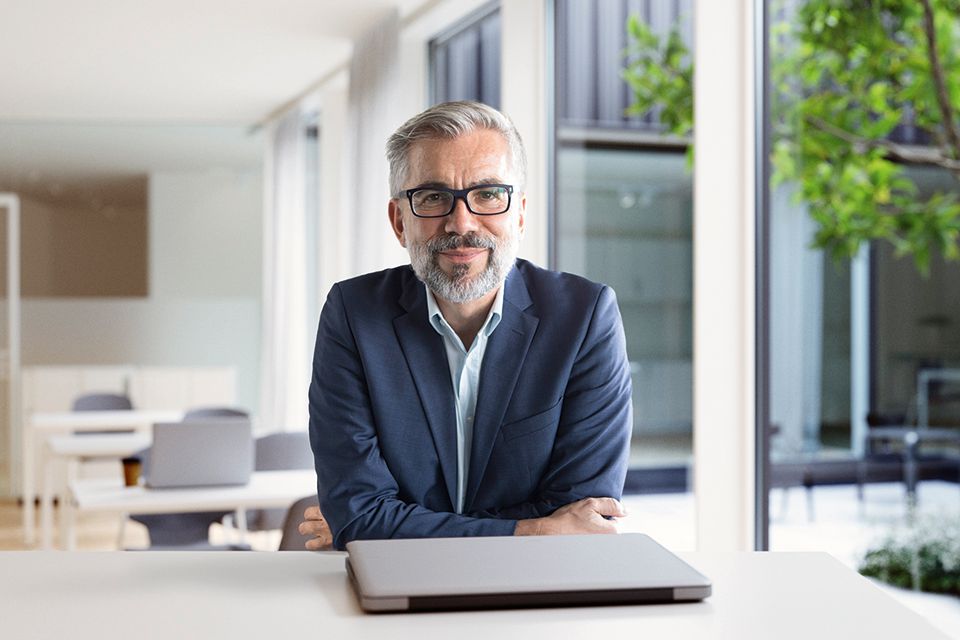
The baby boomer generation is leaving the labour market. According to the German Social Accident Insurance (DGUV), around 80,000 people are currently retiring each month in Germany. By 2036, the total will reach 16.5 million, whilst only 12.5 million young people will be entering the workforce during the same period.
This is leading to bottlenecks. The care sector is particularly affected by the shortage of skilled workers. In ten years’ time, 22 per cent of care workers are expected to retire.
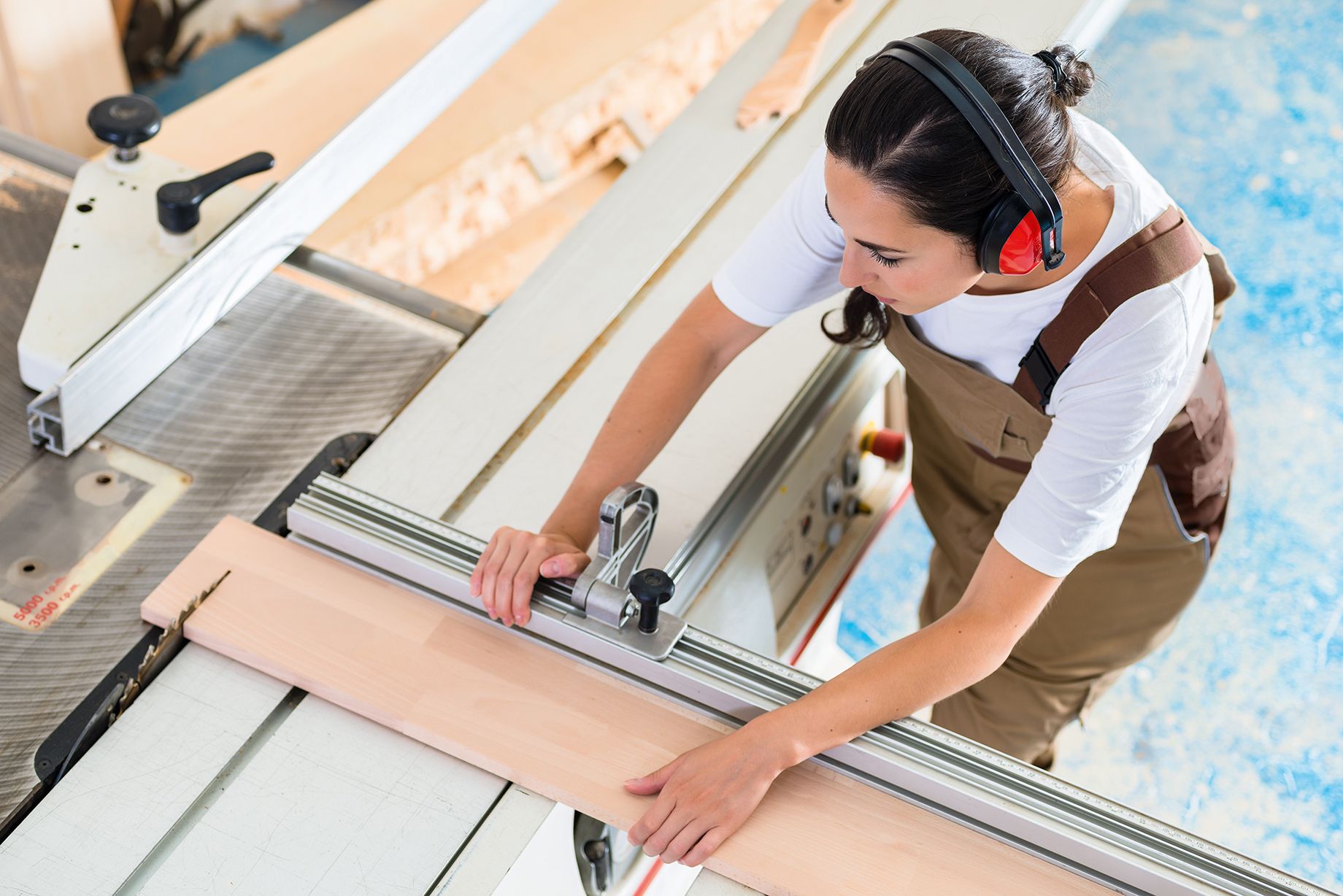
But the future also looks precarious in the skilled trades and construction sectors: over the next five years, one in ten skilled trades businesses will face a generational handover. If no successor can be found, the business will close and jobs will be lost, even though demand for skilled trade services remains high.
According to the IHK Skilled Labour Report 2025/2026, over four-fifths of companies expect the labour and skilled labour shortages to continue to have negative consequences in the future.
80,000 people in Germany are currently retiring each month.
DGUV
The driving factor behind the skills shortage is demographic change. There are other causes as well:
- Germany ranks only 15th in terms of its attractiveness as an employer to skilled workers from abroad.
- Internal training is a priority for less than a third of companies.
Both of these situations could be changed. Retaining older workers for longer, encouraging career changers or – although this is not equally feasible in all sectors – utilising AI to provide support could also have positive effects.
We would be pleased to inform you about our company.
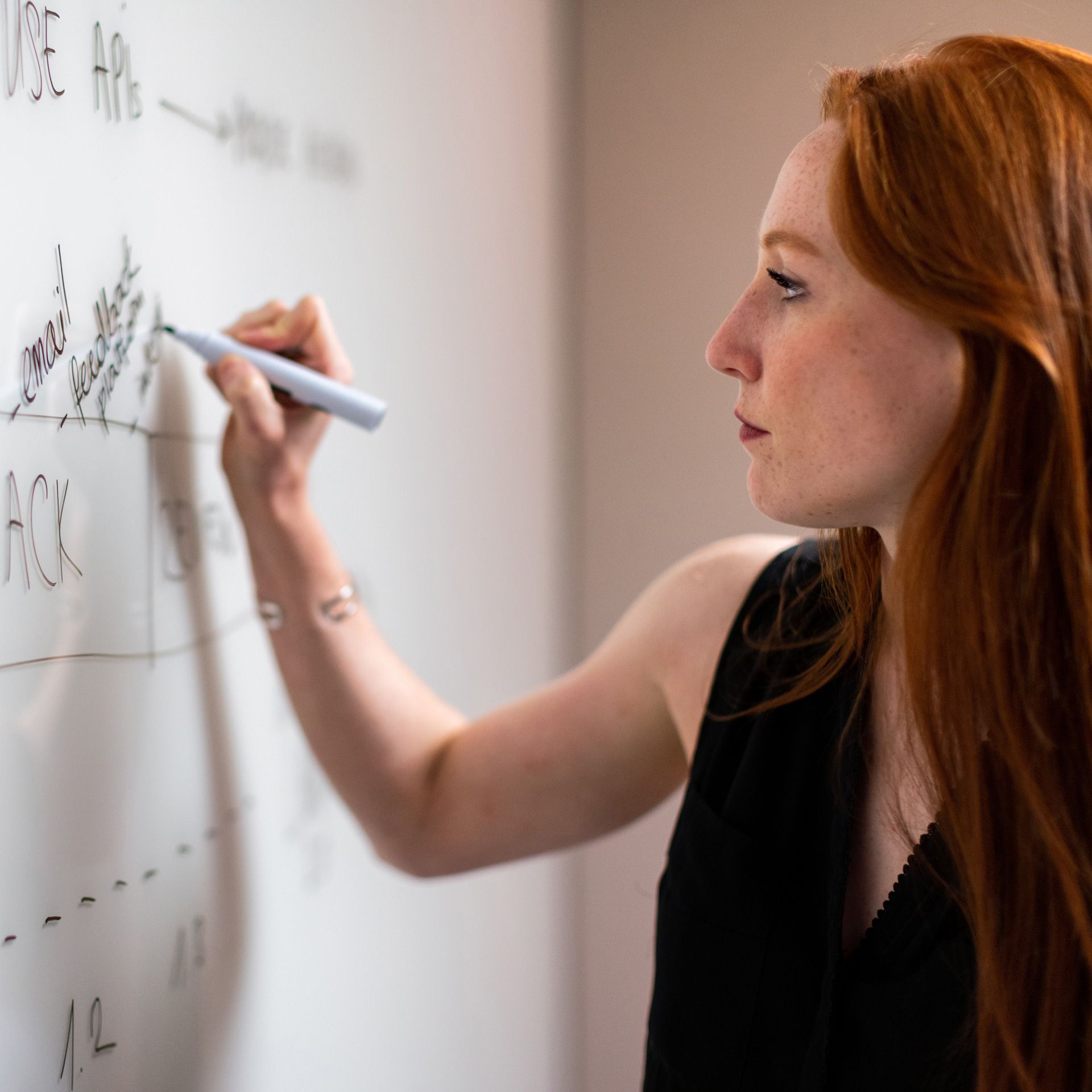
The Education Revolution
New Learning turns education on its head and focuses on learning instead of teaching. Experts say that it's high time, and explain what New Learning entails.
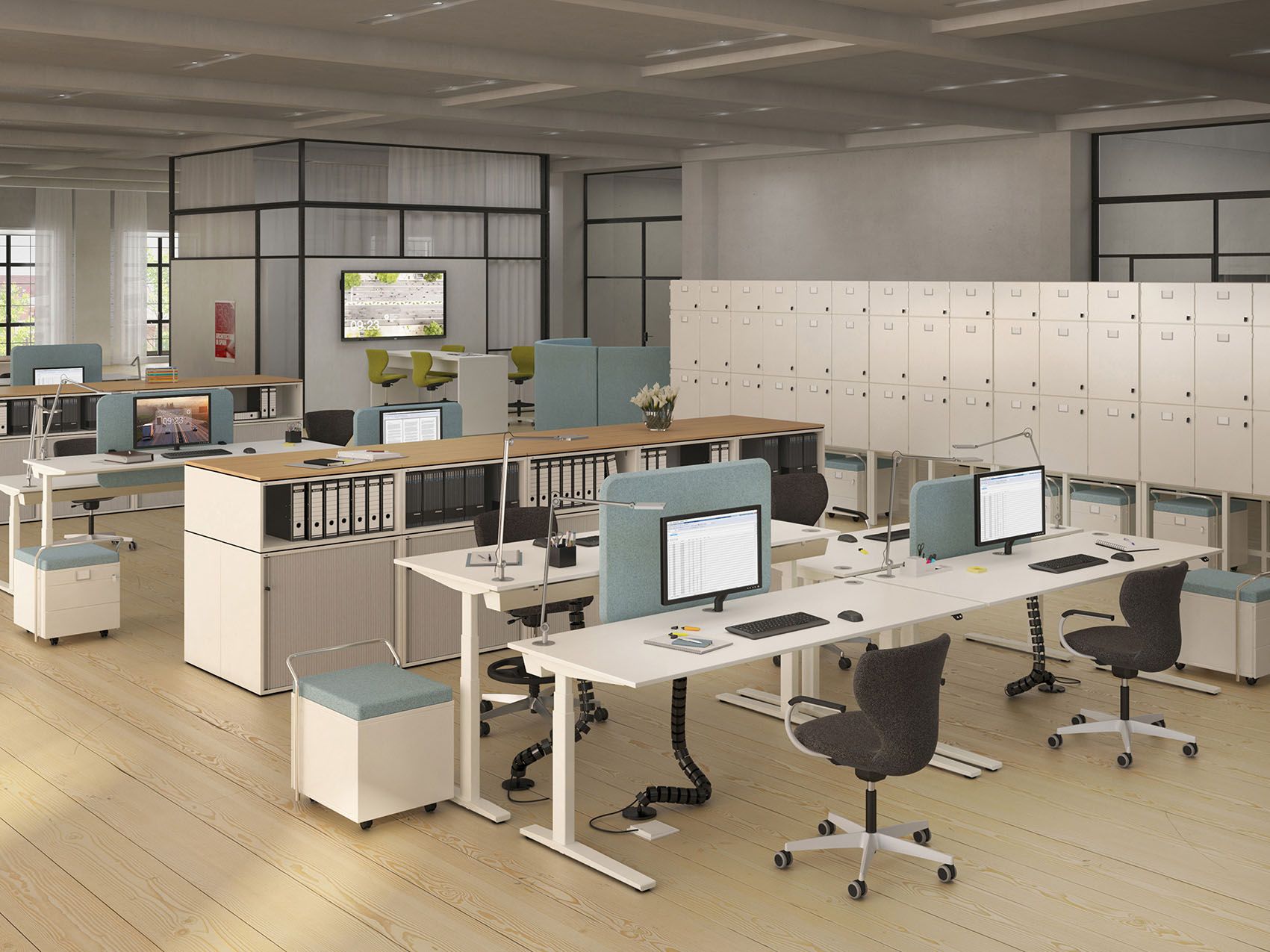
Smart Office
The office that thinks for itself, for the world of digital collaboration. Permanently assigned workstations have long since ceased to be the norm. This makes companies and employees more flexible, but also presents them with new challenges. Read on to find out how a smart office can help.

Your partner VS
Let's co-create! We work closely and creatively with you (or co-creation) to turn your ideas into reality. We are with you all the way, from getting to know your requirements to presenting our initial models and mock-ups and, finally, to precise delivery.