Number of the month for February – 21 | VS

Last search queries

Number of the month for February – 21 | VS

Number of the month 21

If Germany achieves specific educational goals by 2035, economic output could grow by €21 trillion in the long term. That is almost five times today's gross domestic product. This is the conclusion of a study by the ifo Institute.

What is behind the 21 trillion?

At the beginning of 2025, the education ministers of Rhineland-Palatinate, Schleswig-Holstein and Baden-Württemberg formulated measurable education goals across party lines. By 2035

  • the number of pupils failing to meet minimum standards in German and mathematics is to be halved,
  • the proportion of those achieving or exceeding standard requirements is to increase by 20 per cent,
  • and the proportion of top performers – i.e. those achieving optimal standards – is to grow by 30 per cent.

The ifo researchers have calculated the economic effects that these advances would have. They based their calculations on the life expectancy of a child born today, i.e. around 80 years. In the model, the working life lasts 40 years. The result: an increase of 20.9 trillion euros in gross domestic product.

Education as a driver of growth

The calculation is based on a scientifically proven correlation: better educational performance boosts economic growth. If the targets are achieved, performance will improve by an average of 32 PISA points – equivalent to one year's learning.

In 2105, GDP would therefore be 41 per cent higher than without reform. 

All federal states benefit

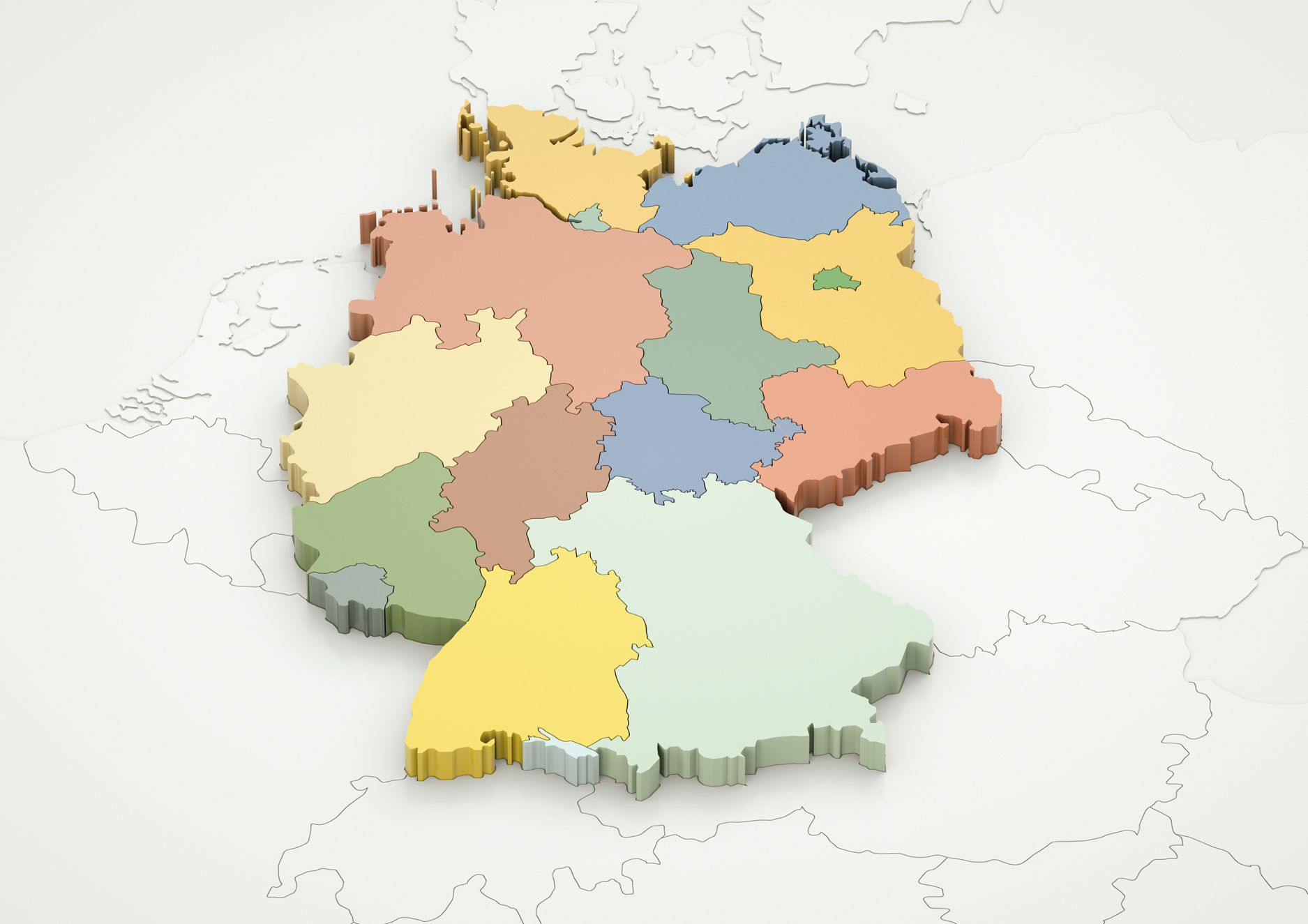
All states stand to gain, albeit to varying degrees. In absolute terms, the most populous states lead the way: North Rhine-Westphalia with 4.9 trillion euros, Baden-Württemberg with 3.0 trillion euros and Bavaria with 2.8 trillion euros.

In relative terms, the federal states where current pupil performance is lowest benefit particularly. In Bremen, the increase would be 7.6 times the current GDP, and in Berlin 6.4 times. Even in Bavaria, where pupil performance is already comparatively high, the gain would still be 3.5 times.

An investment that pays off

The study shows that education creates opportunities and prosperity. Every euro invested in better education today pays off many times over tomorrow in the form of higher productivity, greater innovation and sustainable growth.

Source:

Werkmeister, K. und Wößmann, L. (2025), Volkswirtschaftliche Erträge besserer Bildung – Projektionen aktueller Bildungsziele für Deutschland und die Bundesländer, ifo Schnelldienst digital 25/2025

Spread the word – arouse interest

Share this page and arouse interest in others.

Curiosity aroused? Here you can find more from the Thinking ahead section:

A Good Question

What can be done about winter blues at work?

Short days, long nights and frosty temperatures can sometimes lead to low spirits during the winter months. What is the best way to combat this?

Knowledge Corner
Two children balance on and play with the Hokki stools by VS outdoors

Exercise Makes You Clever

Fidgeting, wobbling – when children move during their lessons, they are intuitively doing everything right. Exercise expert Dr. Dieter Breithecker explains why sitting still is nonsensical.

One-to-One with ...
Bird's eye view of two women walking on a pavement

One-to-one with ...

How do designers find the right inspiration? What makes good design? These are all questions that interest us. We want to find answers to all of these questions. But we also go beyond the design process and ask even more questions. That’s why we meet with experts from a wide range of industries for discussions.