Coworking is trending | VS

Last search queries

Coworking is trending | VS

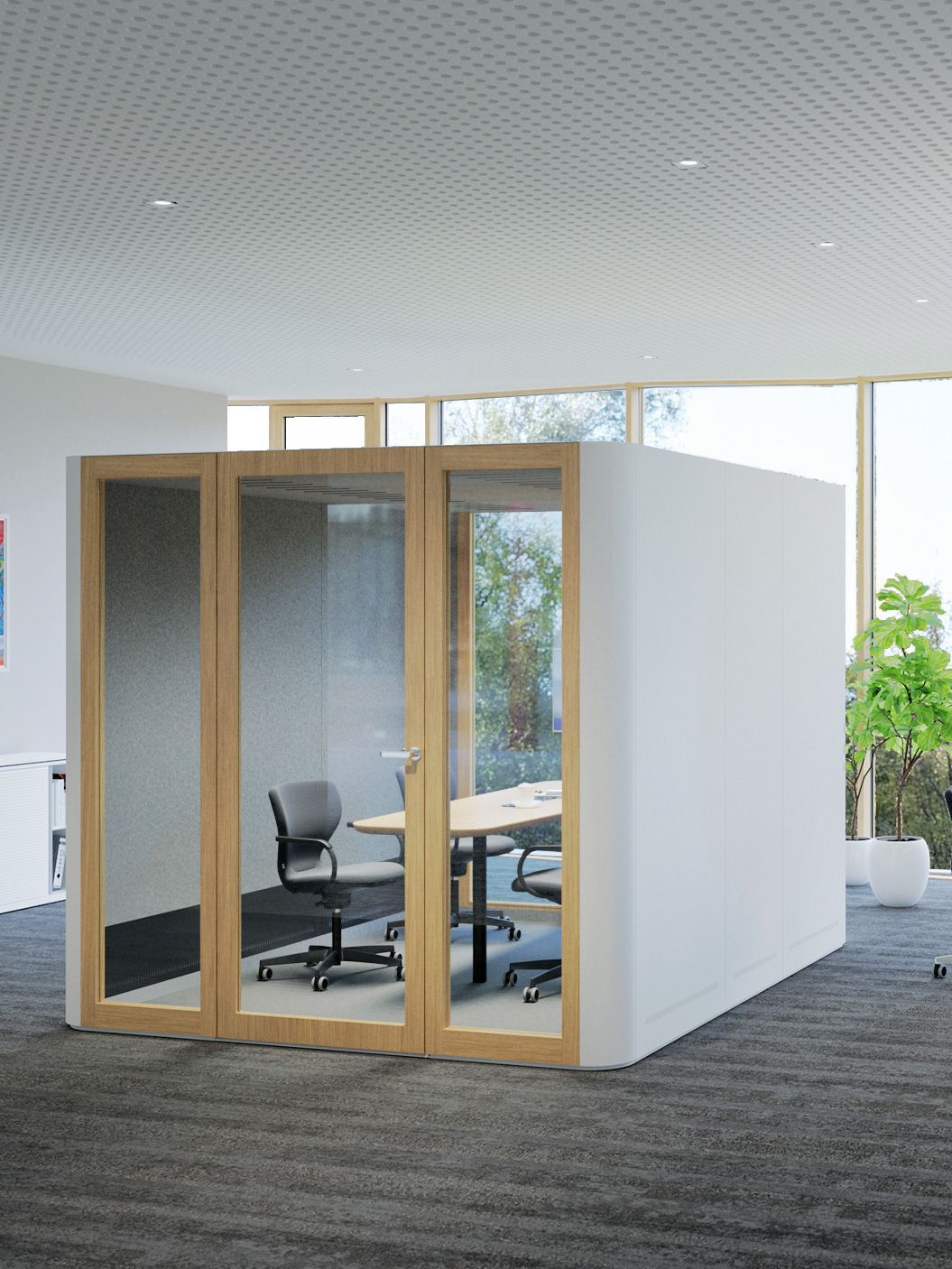
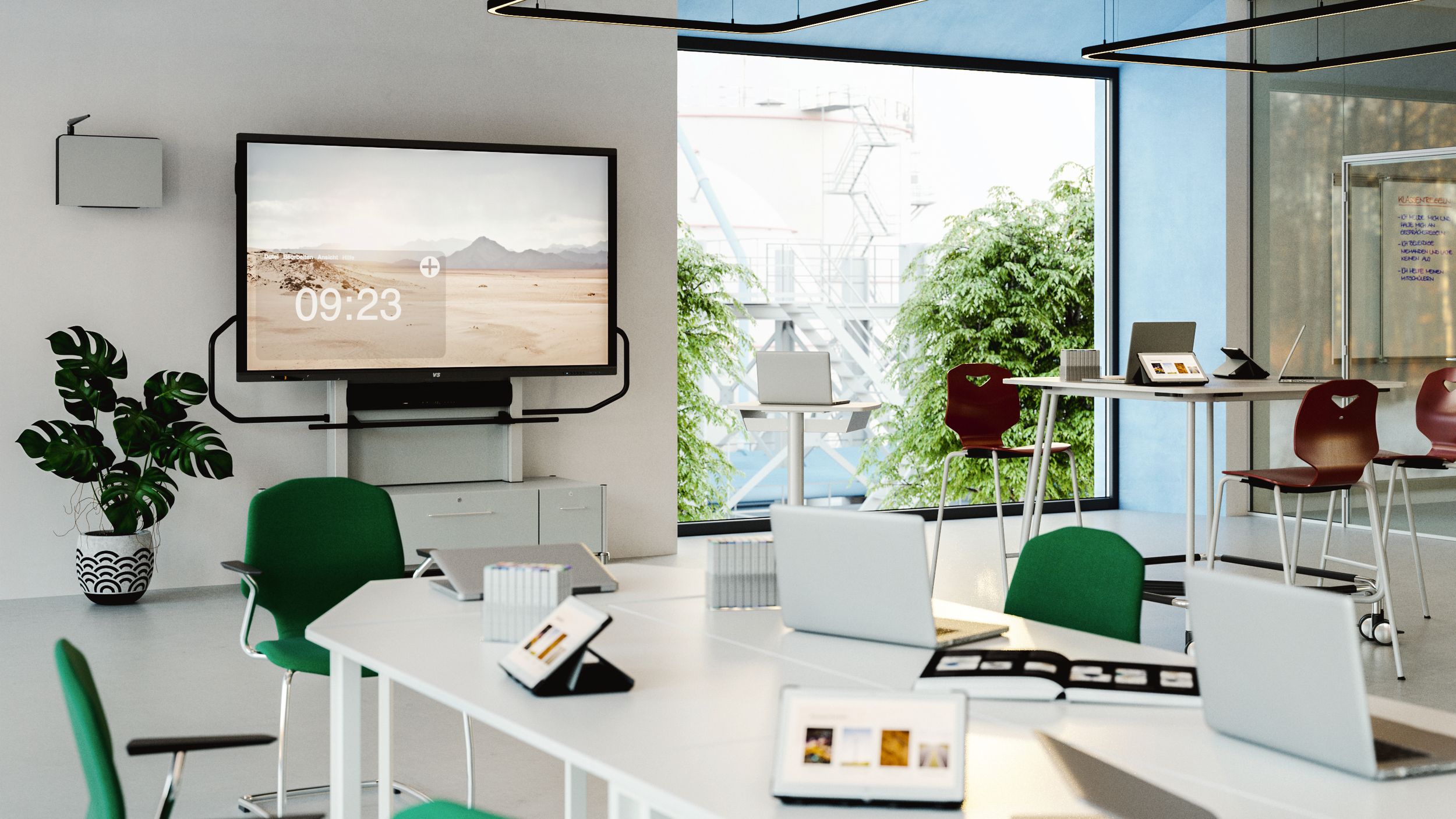
Meeting and conference room with office tables and JUMPER Air Meet cantilever chairs by VS

Trend Coworking Furniture and interior design as a factor for success

Over the past 20 years, coworking has evolved from a niche phenomenon to a central component of modern work culture. What began as an improvised solution for freelancers is now a driver of flexibility, networking and creative ideas – not only for creative professionals and solo self-employed individuals, but also for start-ups and established companies. But alongside the concept and community, one aspect often plays an underestimated role: the furnishings. Because they are much more than just equipment – they are a strategic tool for productivity, creativity and well-being.

From hackerspaces to high-end working environments

The history of coworking is a history of independence – and community. Around the year 2000, the first informal meeting places for programmers, designers and start-ups working together on projects emerged in San Francisco, Berlin and London. Places such as Berlin's ‘betahaus’ (founded in 2009) quickly became pioneers of a new way of working: open, creative and collaborative.

What began as improvised working communities is now a professional business model on the road to success. Commercial providers often operate several coworking spaces, each with around thirty to several hundred places. At the end of 2008, there were around 160 coworking spaces worldwide; today, there are around 2,000 in Germany alone (source: Bundesverband Coworking Spaces Deutschland BVCS) – and the trend is rising.

The coronavirus pandemic and the establishment of hybrid forms of work have further reinforced the trend towards coworking. Many companies, especially those in the digital and creative industries, but also established SMEs and corporations, now use coworking as a flexible extension of their own office space.

At the same time, the understanding of coworking has changed: from pure workplace sharing to curated working environments with clear concepts, diverse services and design standards. Today, operators no longer compete solely on location and price, but also on atmosphere, design quality and the experience factor. The space itself has become a brand.

Who co-works – and why?

Co-working spaces are no longer exclusive habitats for start-ups and freelancers. The user landscape has become much more diverse in recent years.

Three groups dominate:

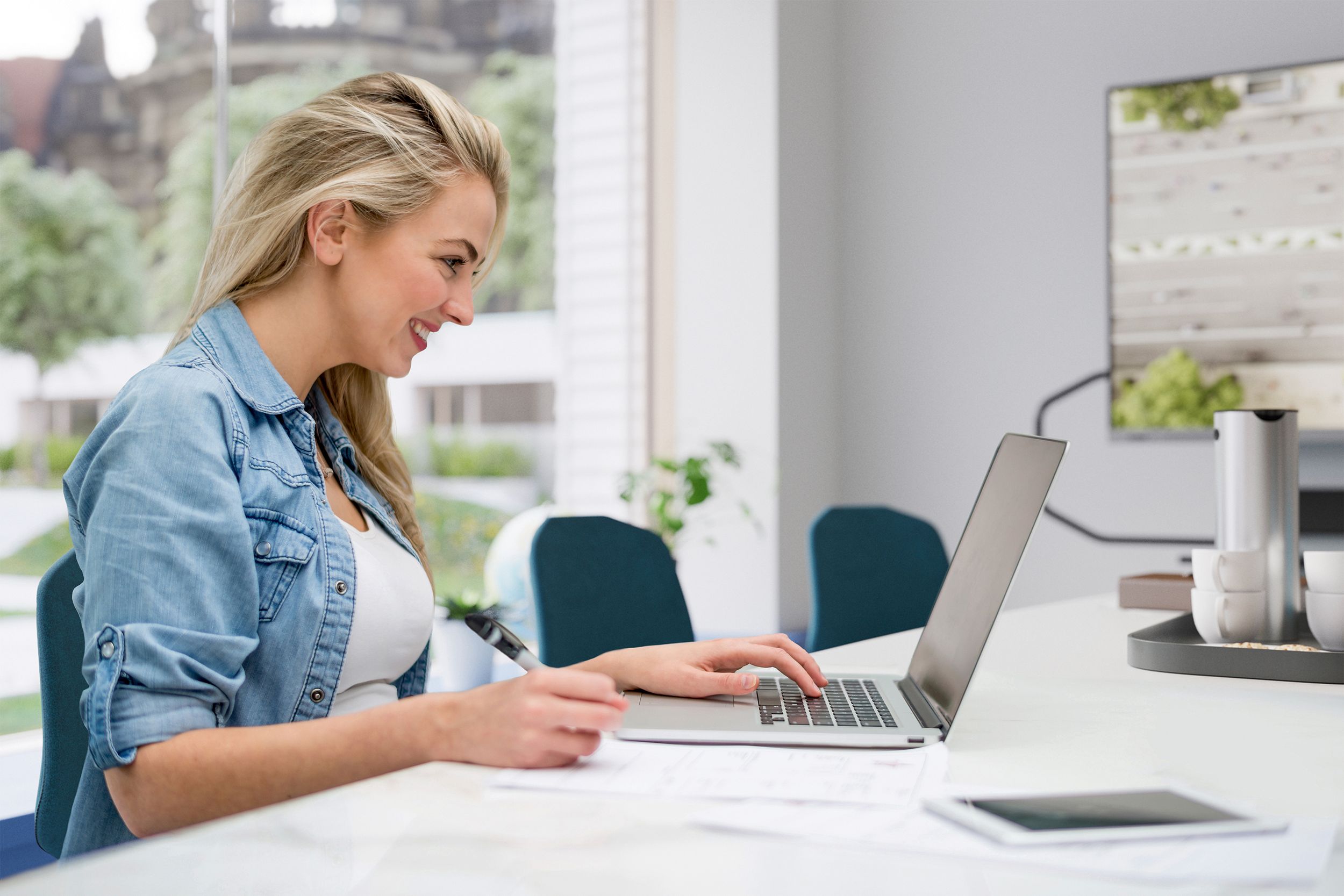
Woman looks at laptop and smiles

Freelancers and solo self-employed persons

use coworking spaces to network with like-minded people, benefit from synergies and break free from isolation. They value the exchange of ideas, flexible booking options and professional infrastructure that they would usually not be able to afford on their own.

Frau und Mann sitzen sich gegenüber am Laptop

Start-ups and small businesses

benefit from scalability: you can start with just a few spaces and expand as needed without being tied to long-term leases. Coworking spaces also offer access to networks, investors and talent.

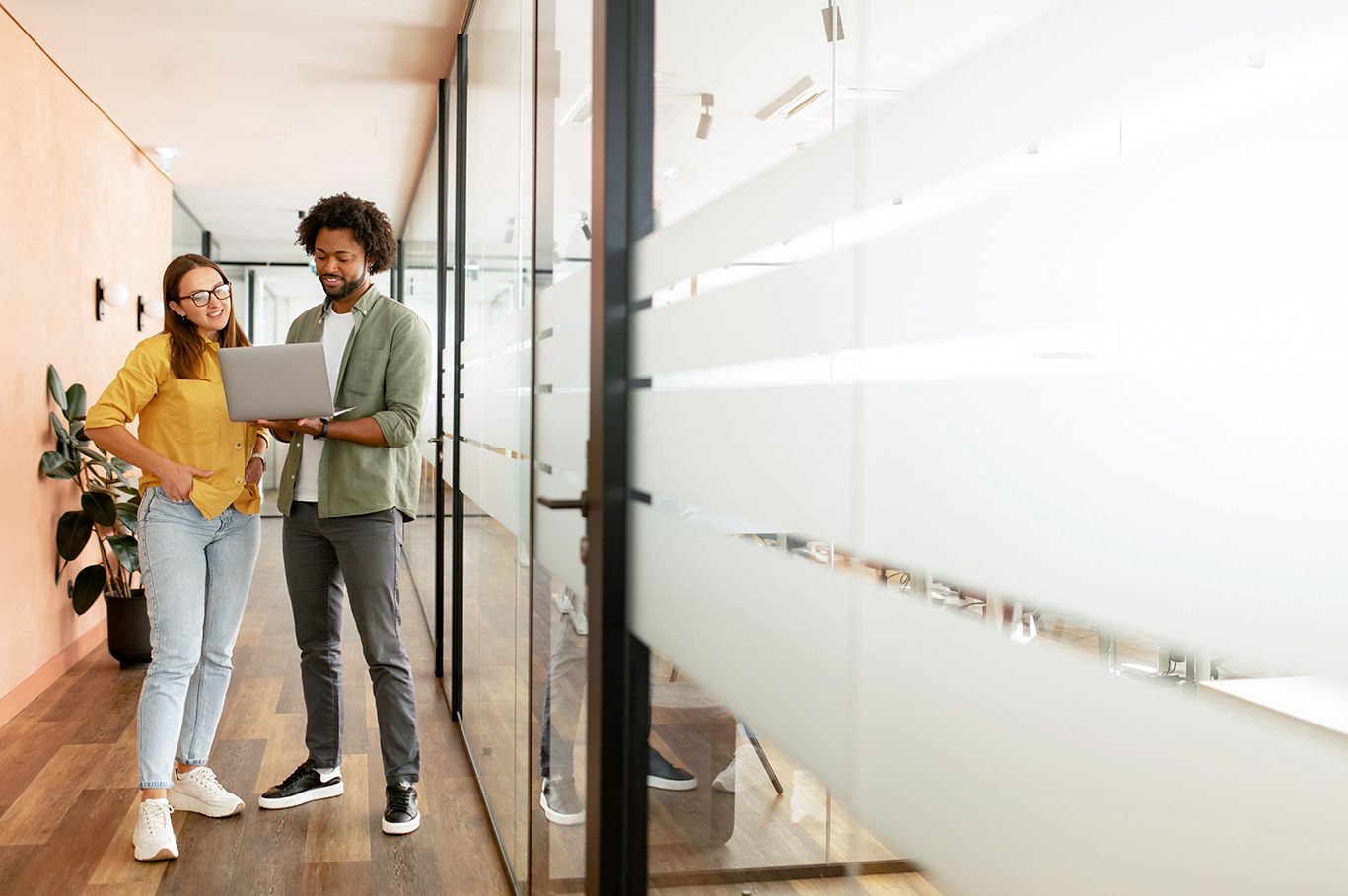
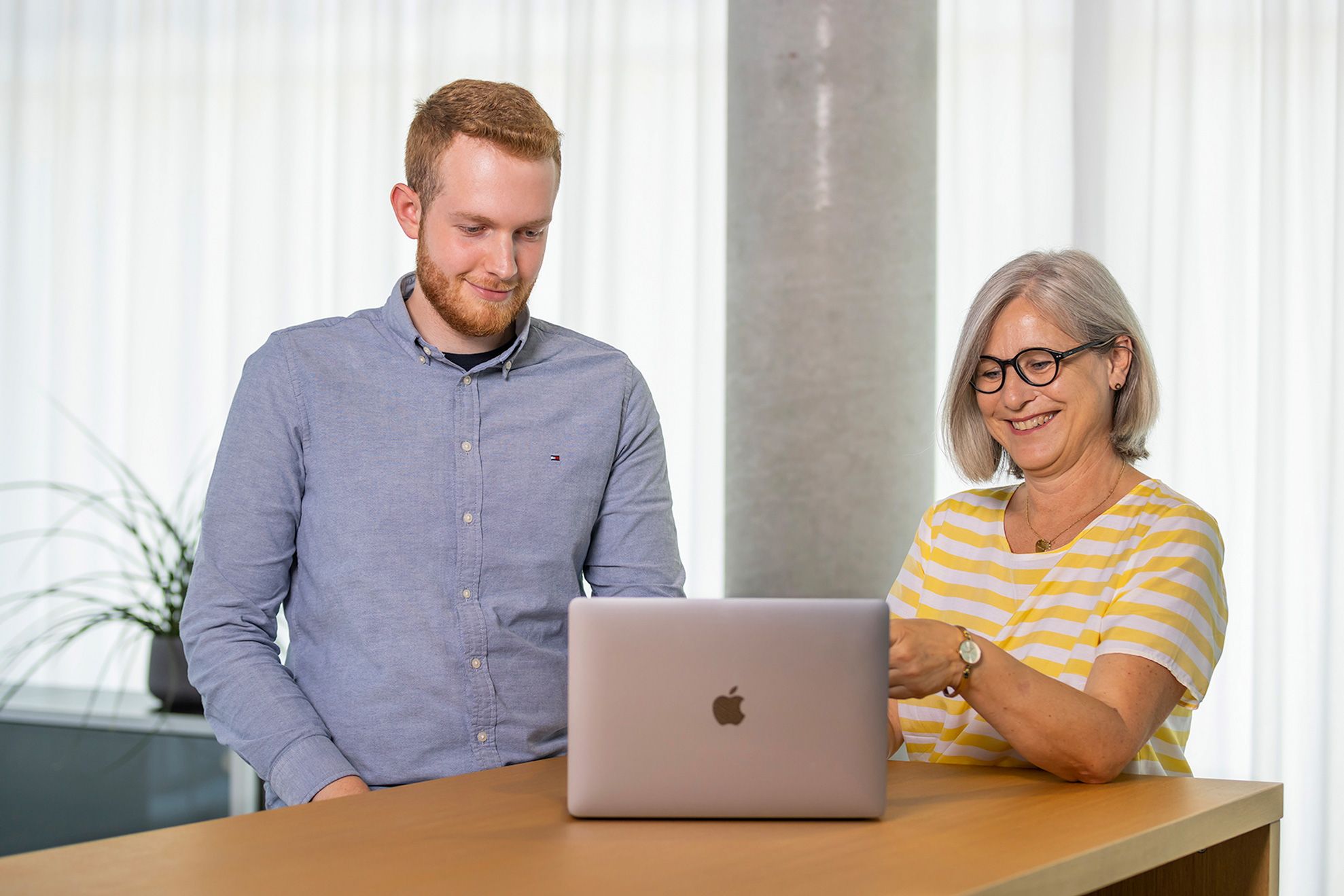
Two people are standing in the office looking at a laptop.

Medium-sized companies and corporations

are increasingly discovering coworking as a complement to their own offices. Whether as a satellite location for teams in other cities, as an innovation hub or as a temporary project space, coworking enables a new spatial and cultural agility.

This works not only thanks to the flexible framework conditions, but also because of the special atmosphere. Coworking promotes informal exchange, inspires new ideas and creates creative vibes that traditional offices often lack. The feeling of being part of a community motivates and creates a sense of identity in a working world that is becoming increasingly flexible and individualised.

Desks and more: what coworking spaces offer

The classic coworking concept – one room, lots of desks, shared Wi-Fi – is long outdated. Modern spaces are small ecosystems that combine work, interaction and inspiration. In addition to shared desks and private offices, they now usually include:

The variety of zones allows you to organise your day flexibly – depending on the task at hand, your personal needs and your energy level. The space thus becomes a tool that supports different working modes: from creative brainstorming to focused individual work. Some coworking spaces even offer children's play areas, massage rooms and open spaces with an experiential quality.

Furniture as an enabler

Since users and requirements in coworking spaces change frequently, furnishing plays a central role. Furniture is not just objects, but actors in dynamic interior design. It enables healthy, productive working while sitting and standing. It also structures spaces and pathways, creates atmosphere, and promotes communication and encounters. What are some of the key factors to consider?

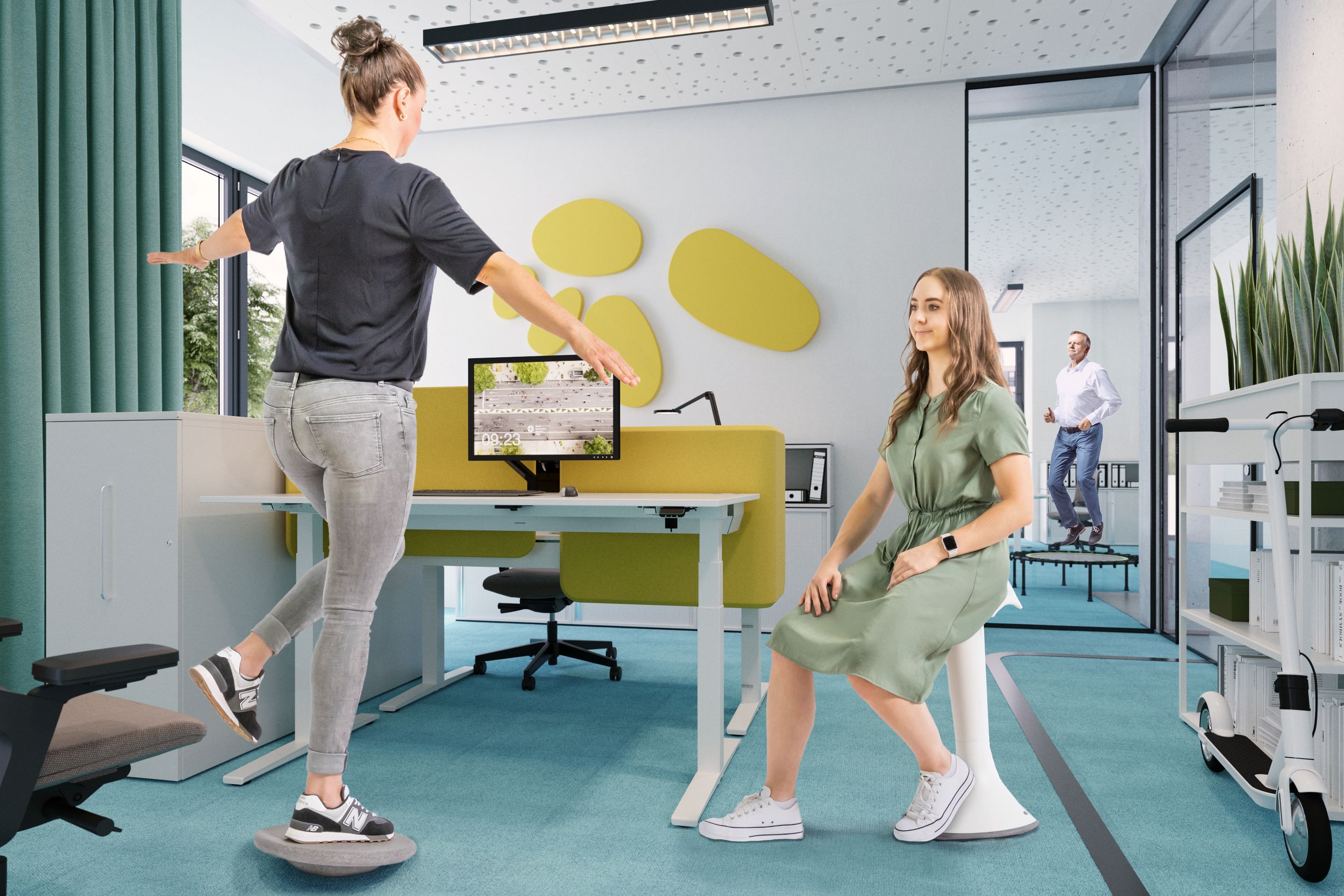
woman balancing on a hemisphere of the FloorFriends series by VS in a modern office with Hokki and trampoline

Ergonomics as a factor for success

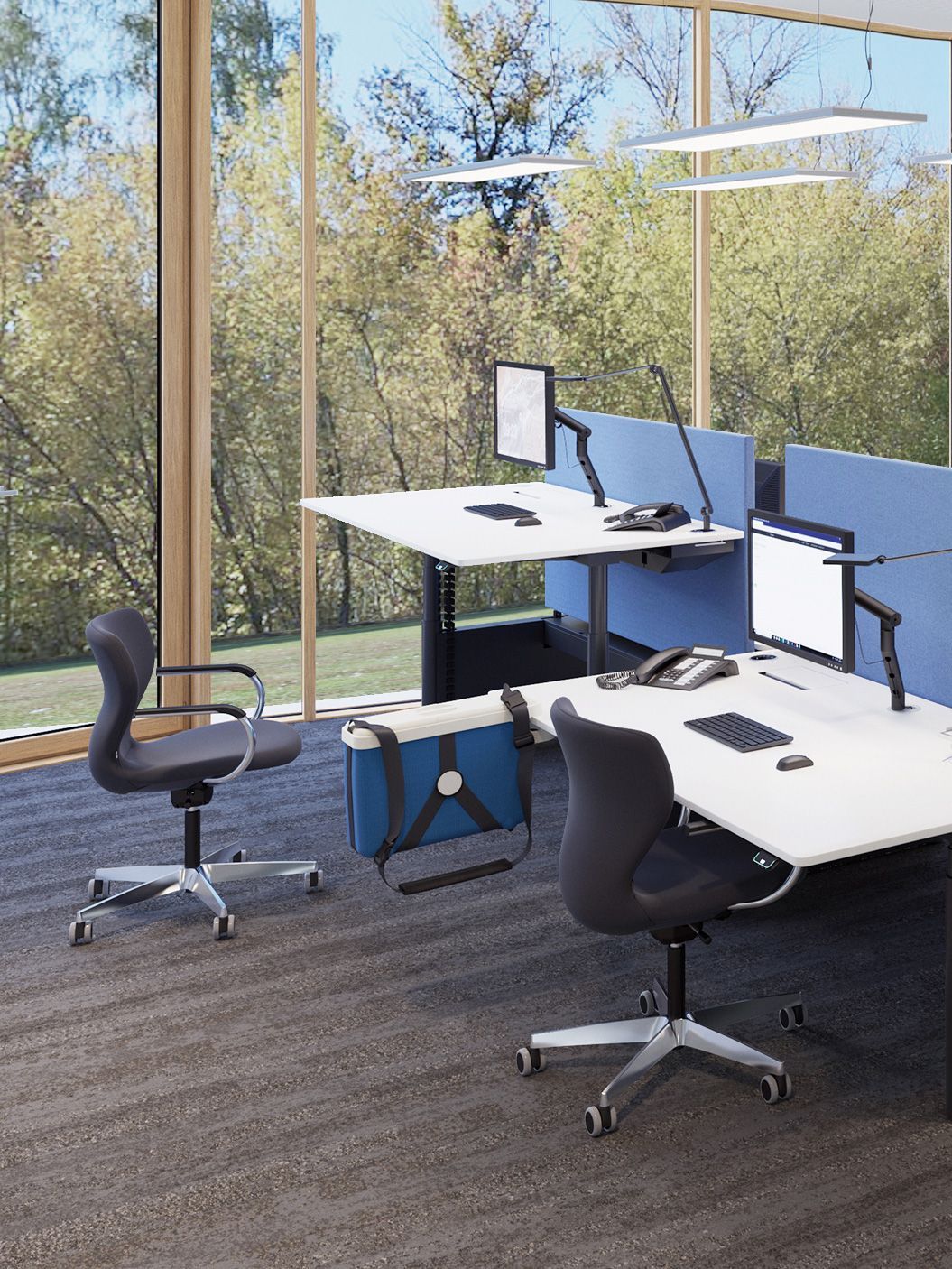
Ergonomic furniture is not a luxury in coworking spaces, but a basic requirement. Height-adjustable desks allow users to switch between sitting and standing, while dynamic chairs promote movement and prevent tension. Precisely because many users only work temporarily, the furniture must be easy to adjust and adapt to a wide range of needs. Good ergonomics not only promotes health, but also conveys a clear message: this space takes its users seriously.

Height-adjustable office desks Pareto with privacy screens and attached eddy tool bag by VS

Modular, mobile and multifunctional systems

Flexibility is paramount in coworking. Modular furniture systems allow workspaces to be quickly adapted to new usage scenarios: from concentrated individual workstations to workshop setups. Rollable tables, stackable seating and mobile partitions transform rooms in no time at all.

Multifunctional furniture is just as important: tables with integrated whiteboard surfaces, storage elements that also serve as room dividers, or mobile modules that can be used to create lounges, podiums or meeting islands. This modularity saves space, costs and time. It also supports the principle of ‘activity-based working’, where users choose the space according to the task at hand.

Specialist furniture manufacturers such as VS offer sophisticated systems that meet these requirements. The furniture systems are not only functional, but also aesthetically pleasing. Because they remain in the range for many years and new elements can be added, coworking providers can expand the furniture at any time as required.

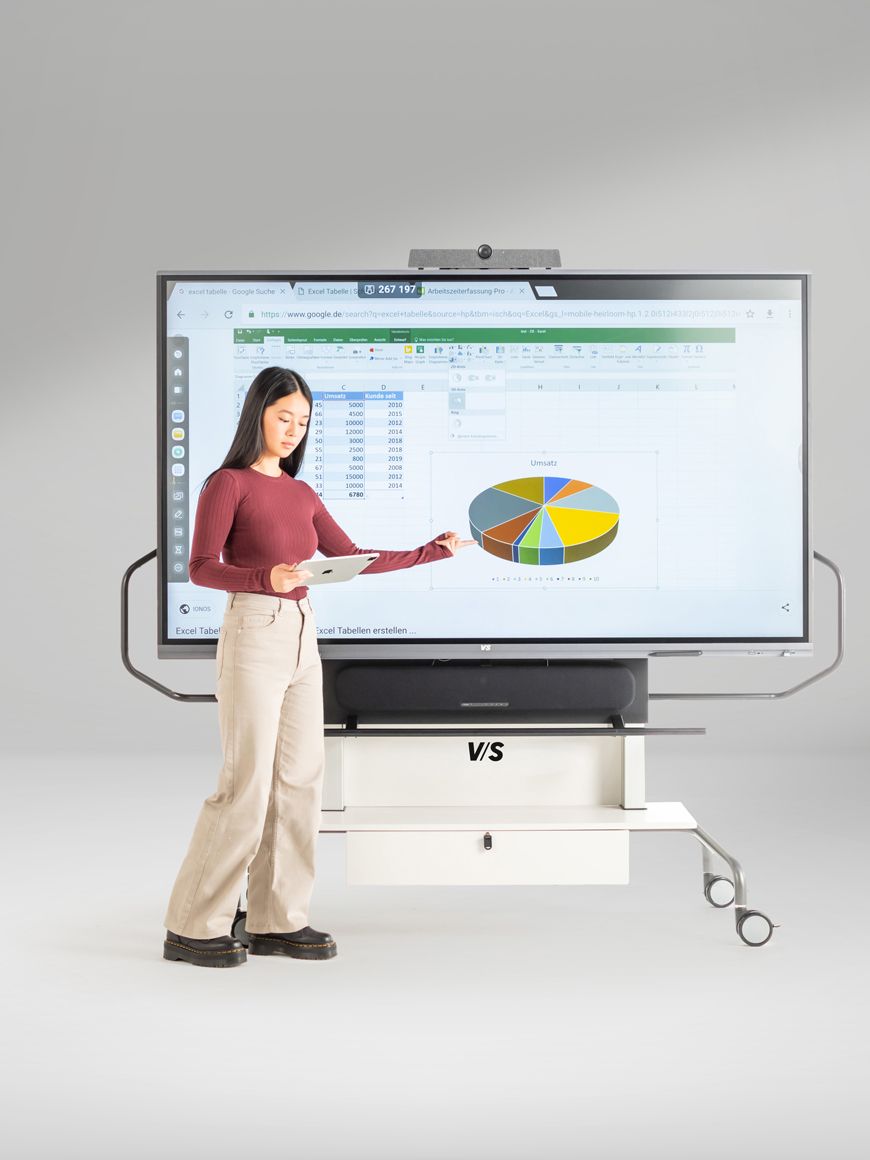
Woman standing in front of a display

Specialist furniture and smart office systems for the digital age

Digital work requires digital infrastructure – including in terms of furnishings. Screens, digital boards and displays now integrate seamlessly into mobile mounting and support systems – without any annoying cable clutter. Tables with integrated sockets, USB ports or wireless charging surfaces, as well as storage furniture with battery charging stations, are already standard in many places. 

But that's not all: smart office systems can coordinate workplace and room bookings in co-working environments via an app. These digital helpers store individual furniture settings, help operators save costs and energy – and remind users to take breaks to move around, if desired. 

Sensors integrated into the furniture can now record usage data and facilitate indoor climate monitoring and hygiene planning. Furniture thus becomes part of an intelligent and networked working environment – perfect for coworking with its focus on hybrid working.

The Jetson soundproof meeting booth by VS in an office

Acoustics and sound insulation

Open floor plans, as is common in coworking spaces, promote communication. However, they also harbour the risk of noise and distraction. Sound-absorbing elements are therefore essential, for example wall panels made of felt or recycled materials, as well as acoustically effective ceiling installations. Room-in-room systems such as acoustic booths and dialogue boxes enable undisturbed video conferences, telephone calls and meetings in multi-person offices.

Furniture itself can also perform acoustic functions – for example, upholstered back panels, textile-covered partition walls or capsule seating that absorbs conversations. This creates a balance between openness and seclusion – a key aspect of any coworking space design.

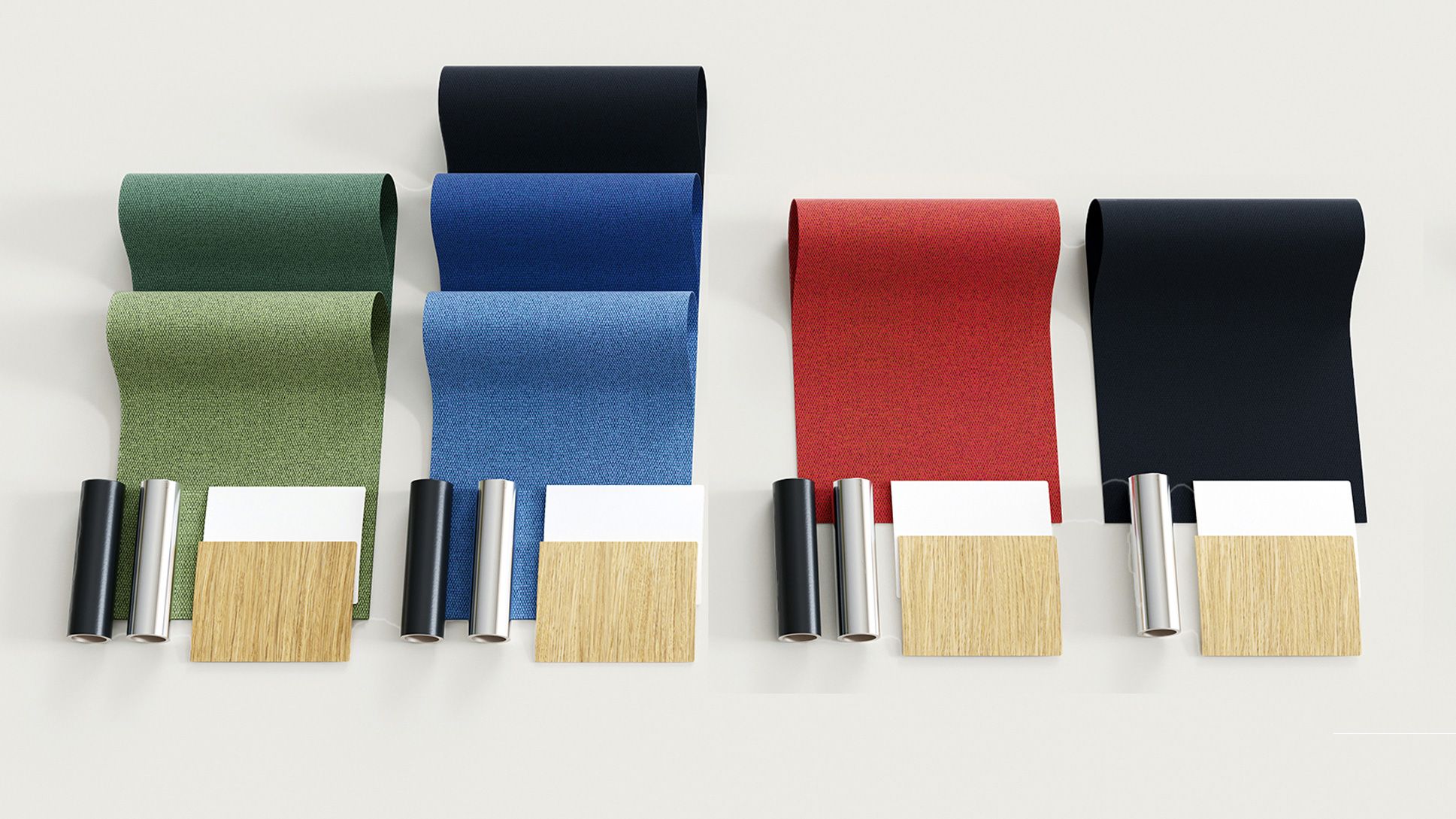
Colour and material samples for VS products

Colour as a design tool

Colour concepts play an important role in coworking spaces, both in terms of creating identity and structure and in psychological terms. While calm tones in focus zones promote concentration, bold accents in communal areas create a positive mood, energy and dynamism. Some furniture systems take up this approach by making coloured modules combinable. This allows the effect of a room to be changed – from neutral and restrained to lively and inspiring.

Sustainability, durability – and feel

Coworking spaces are often pioneers in implementing progressive ideas, including in terms of sustainability. That is why furniture made from recycled or easily recyclable materials is deliberately chosen. Local and FSC-certified woods protect nature. Environmentally friendly paints and textiles tested for harmful substances make a further contribution. Find out more about what VS does for sustainability here (link?).
But sustainability also means durability: high-quality workmanship, robust materials and smart designs that outlast short-lived fashions contribute to a long service life, as do systems with expansion options. A spare parts service with long-term availability rounds off the wish list of coworking operators. This not only protects the environment, but also makes economic sense.

In addition, aspects such as atmosphere and feel are important: wood, textiles and other varied surfaces convey warmth and form a sensual counterbalance to the digital working world.

Read more here

Coworking as a laboratory for tomorrow's working world

Coworking spaces are much more than just places to work. They are laboratories for a new working culture in which flexibility, community and design merge. They show how spaces can respond to people – and how furniture can become a strategic factor for productivity, identification and well-being.
In the UK, coworking is increasingly establishing itself as an integral part of the office landscape – not only in large cities, but also in medium-sized towns and rural regions. More and more local authorities are promoting decentralised coworking initiatives in order to reduce commuting and strengthen regional networks. For manufacturers and planners of office furniture systems, this means:

Coworking is not a short-lived trend  but a testing ground for the future of work.

At VS, we draw on our extensive expertise to create holistic designs for contemporary working environments. Based on comprehensive planning tailored to your needs, we offer a wide range of customised solutions, especially for co-working spaces. In addition to traditional furniture, we offer specialised furniture such as lockers with letter slots, lounge furniture with integrated walls, curved storage systems that structure the space, inviting ensembles for reception areas and furniture with battery charging stations – all finely coordinated in terms of design and function. Thanks to our own production facility in Tauberbischofsheim, individual solutions are also possible.

Contact us and we will support you with our comprehensive consulting network for planning and implementation!

You may also be interested in

Knowledge Corner
Two people are standing at a cheek table looking at a laptop

How does Smart New Work work?

Organising New Work efficiently and successfully is presenting many challenges to companies. Smart Office technologies are doing a good job there. Seven reasons for a networked office.

Knowledge Corner
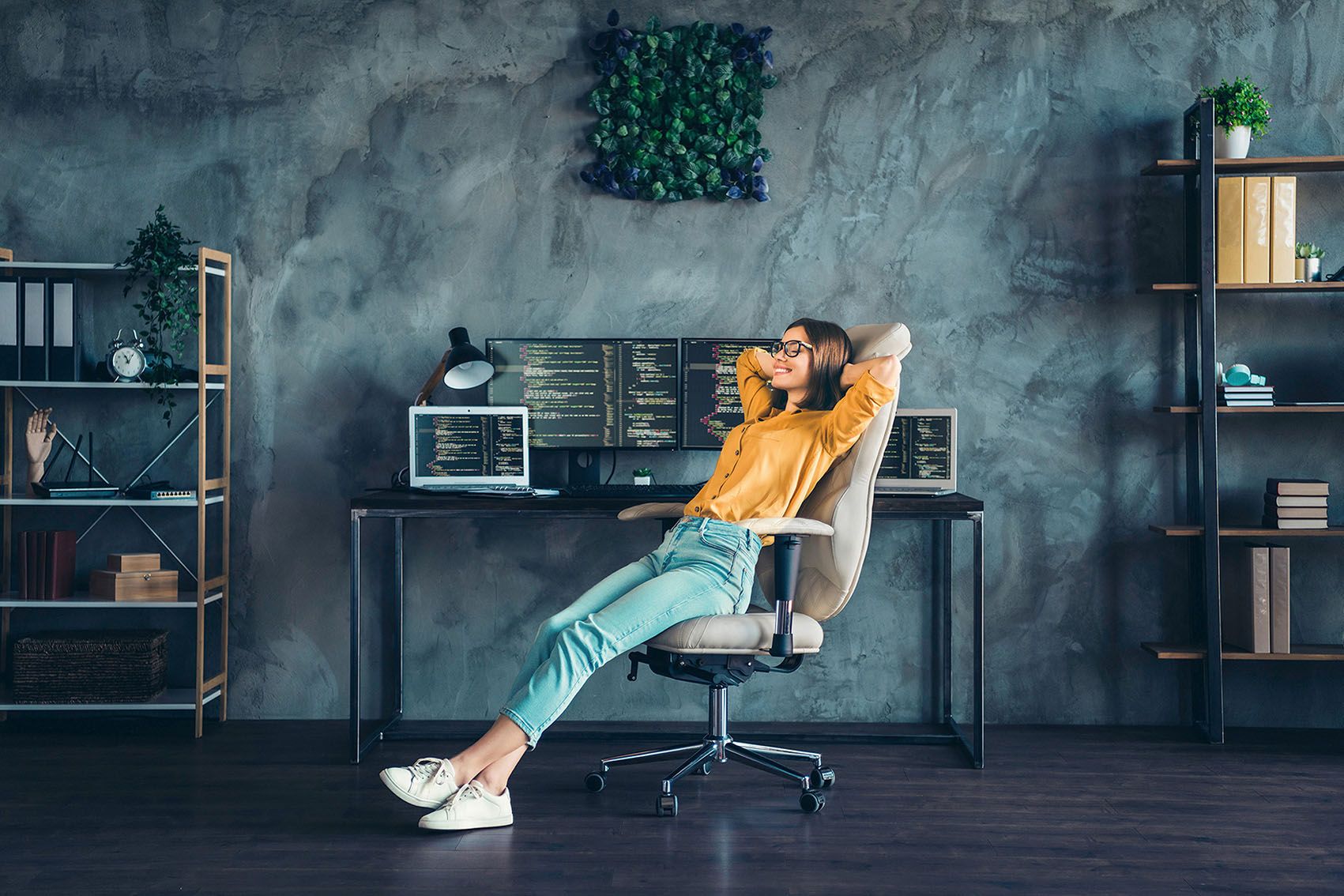
A young woman leans back and relaxes in her swivel chair in her home office

Well-Being is Worth It – What Makes a Perfect Working Environment

Rooms affect motivation, performance and it is important to take advantage of that in offices. First things first: no, it’s not enough to buy hip designer furniture. For a perfect working environment, your office must be proficient in soft skills. Read on to find out what they are so that you can design a perfect working environment.

Co-creation – achieving more together

LEGO does it. Nike and IKEA too. VS as well. They rely on co-creation with customers and experts and develop better products together. A brief overview of the different types of co-creative collaboration.

Spread the word – arouse interest

Share this page and arouse interest in others.